If you grew up anywhere near the Niagara end of Lake Erie, Crystal Beach probably had a sound and a smell. The sound was the clatter of the Comet climbing its first hill. The smell was sugar: sugar waffles, and the Hall's suckers that came home in the car with you. For older generations on both sides of the border, the day started on the water, aboard a steamer out of Buffalo.
Crystal Beach Park closed in 1989, after roughly a century of summers. People still talk about it like it closed last year.
The story
It started out as something much quieter. In 1888, John E. Rebstock, a Buffalo-born businessman, bought 30 acres of Lake Erie shoreline and set up a religious camp, styled on the Chautauqua gatherings popular in the United States. According to Brock University Library's Crystal Beach exhibit, the grounds had auditoriums, tents and preachers. Visitors soon made it clear they were more interested in the amusements.
By 1890 the site had become an amusement park, and it had a name. Brock's exhibit says "Crystal Beach" came from the crystalline sand and clear water. Ferry service from Buffalo began the same year. The place even picked up a legend early on: Brock's exhibit records that in 1896, three witnesses claimed to have seen a sea monster some 30 to 40 feet long, with a head like a dog's, off the beach. For a short stretch in the late 1890s, the Fort Erie Observer notes, an elevated monorail line, the Ontario Southern Railway, even ran between the park and Ridgeway.
Rebstock didn't just own the place; Brock's exhibit says he also worked as general manager, agent, dock master and ticket collector for the Crystal Beach Steamboat and Ferry Company, formed in 1892. A community grew up around the park, and the Fort Erie Observer notes that Crystal Beach had a summer post office by 1898.
The park changed hands in 1908, when investors from Detroit and Cleveland bought the company. That same year the steamer Americana started bringing crowds over from Buffalo. The Canadiana followed, making its first trip on May 30, 1910. Brock describes it as a Victorian-style excursion boat with stained glass, chandeliers and a ballroom, and Brock notes that performers including Duke Ellington and Cab Calloway played on board. The Americana was sold in 1928, after the Peace Bridge made the trip by car much easier. The Canadiana stayed, and in the 1950s, Brock notes, Buffalo police pulled the slot machines off it.
In 1924 the park found the owner whose family would run it to the end. TVO reports that George C. Hall started at Crystal Beach as a peanut vendor in 1901, came up with Hall's Original Suckers in 1902 and bought the whole park in 1924. Brock's exhibit puts the price at one million dollars. The business passed to his son Edward, and TVO says Bob Hall was running the park when it closed.
The Hall years brought the big attractions. The Crystal Ballroom, billed as the largest dance hall in North America, opened in 1925, according to blogTO. In 1927 the park opened the Cyclone, a coaster designed by Harry G. Traver. Brock's exhibit says it made its last run on September 2, 1946, because ridership fell, the structure was ageing and insurance costs kept rising.
Its steel didn't go to waste. The Comet opened in 1948, built partly with steel salvaged from the Cyclone, according to both the Brock exhibit and the American Coaster Enthusiasts. Brock puts the Cyclone's cost at $176,000 and the Comet's at $125,000. For the next four decades the Comet was the ride Crystal Beach was known for. It was one of a long line. Brock's exhibit traces the park's coasters from 1909 onward: the Backety-Back Scenic Railway, the Giant Roller Coaster, the Cyclone, the Comet and the Wild Mouse.
The Fort Erie Observer and the Globe and Mail both put the park's peak in the 1940s and 1950s, with about 20,000 visitors on a busy summer day.
Why people remember it
Part of it was the trip. For decades, a day at Crystal Beach could begin with a cruise across the lake, and even for those who drove in from elsewhere in Ontario, the park had the feel of a summer expedition.
Part of it was the food. The suckers and the sugar waffles were as much a part of the visit as the rides, and they outlived the park. TVO reported in 2017 that Bob Steckley, who worked at the park in 1985, started the Crystal Beach Candy Company in Ridgeway in 1990. He later bought the original sucker equipment from Bob Hall, and he was still making waffles the old way.
They're still made 20 at a time on just five moulds that hold four waffles each.
Sarah B. Hood, TVO Today
The park also had its characters. Brock's exhibit mentions a giant Paul Bunyan at the entrance, Laughing Sal outside the Laff-in-the-Dark, and Leo the Lion, a rubbish bin that "ate" your garbage.
It wasn't all sunshine. On Memorial Day in 1956, racial slurs from white servicemen aimed at Black teenagers turned into a brawl at the park. The fighting spread to the Canadiana on its trip back to Buffalo, and Brock's exhibit records arrests and injuries. That was also the boat's last season on the Crystal Beach run. The Fort Erie Observer dates the end of boat service to 1956 too. After that, everyone came by road.
What happened?
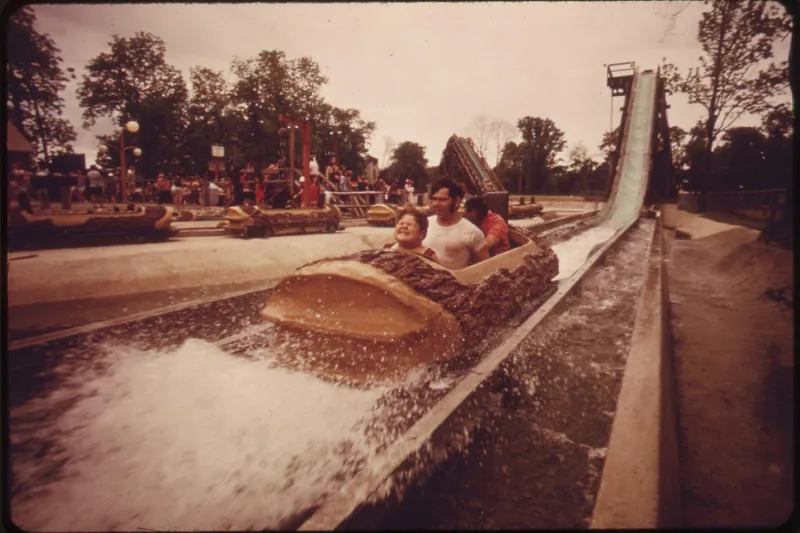
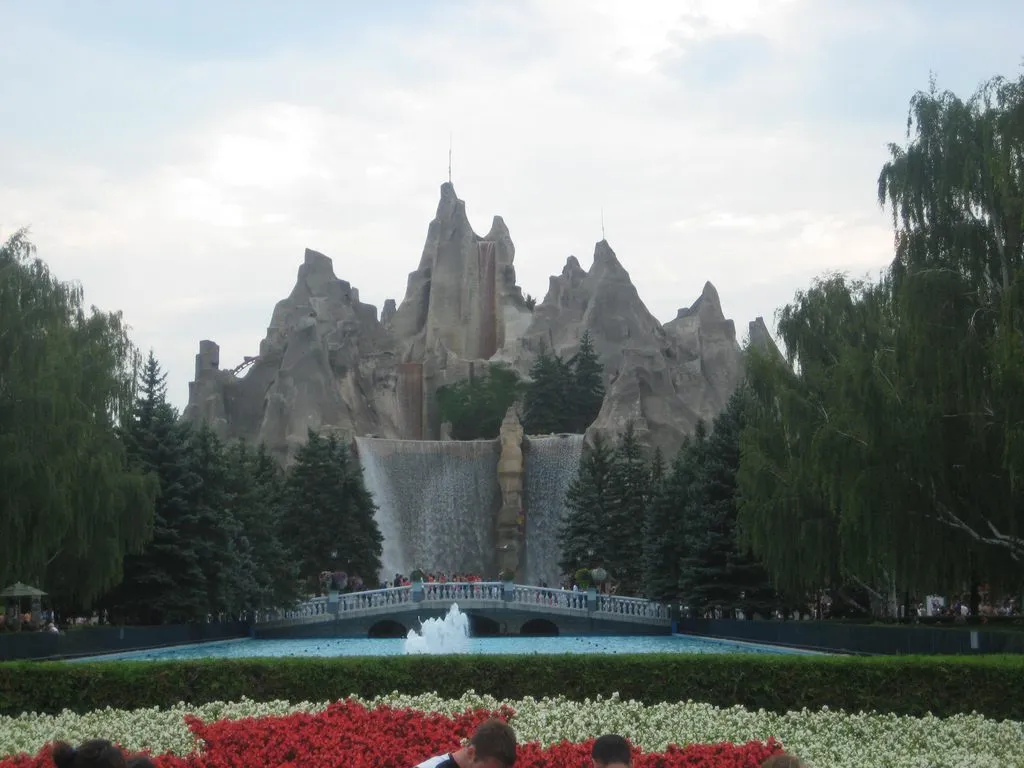
The decline was slow. Brock's exhibit lists rising costs, high taxes, and competition from newer parks such as Fantasy Island across the border and Canada's Wonderland. The Fort Erie Observer adds Darien Lake and Marineland to that list. Families simply had more places to choose from.
In 1983 the park went into receivership. The carousel was sold in 1984. In 1985, according to Brock, a renovation plan was announced to get the park ready for its 100th anniversary. Crystal Beach did make it to 100, but the gates closed for good on Labour Day 1989.
The rides were sold off. The Comet went at auction to Charles Wood, owner of The Great Escape in Lake George, New York. ACE says rebuilding began in October 1993 and the coaster officially reopened there on June 25, 1994. ACE named it a Coaster Landmark in 2009. The park's Ferris wheel ended up much closer to home: blogTO reports it went to Centreville on the Toronto Islands in 1990.
Residents objected when the land was set aside for housing, but they couldn't stop it, according to Brock's exhibit.
What's there now?
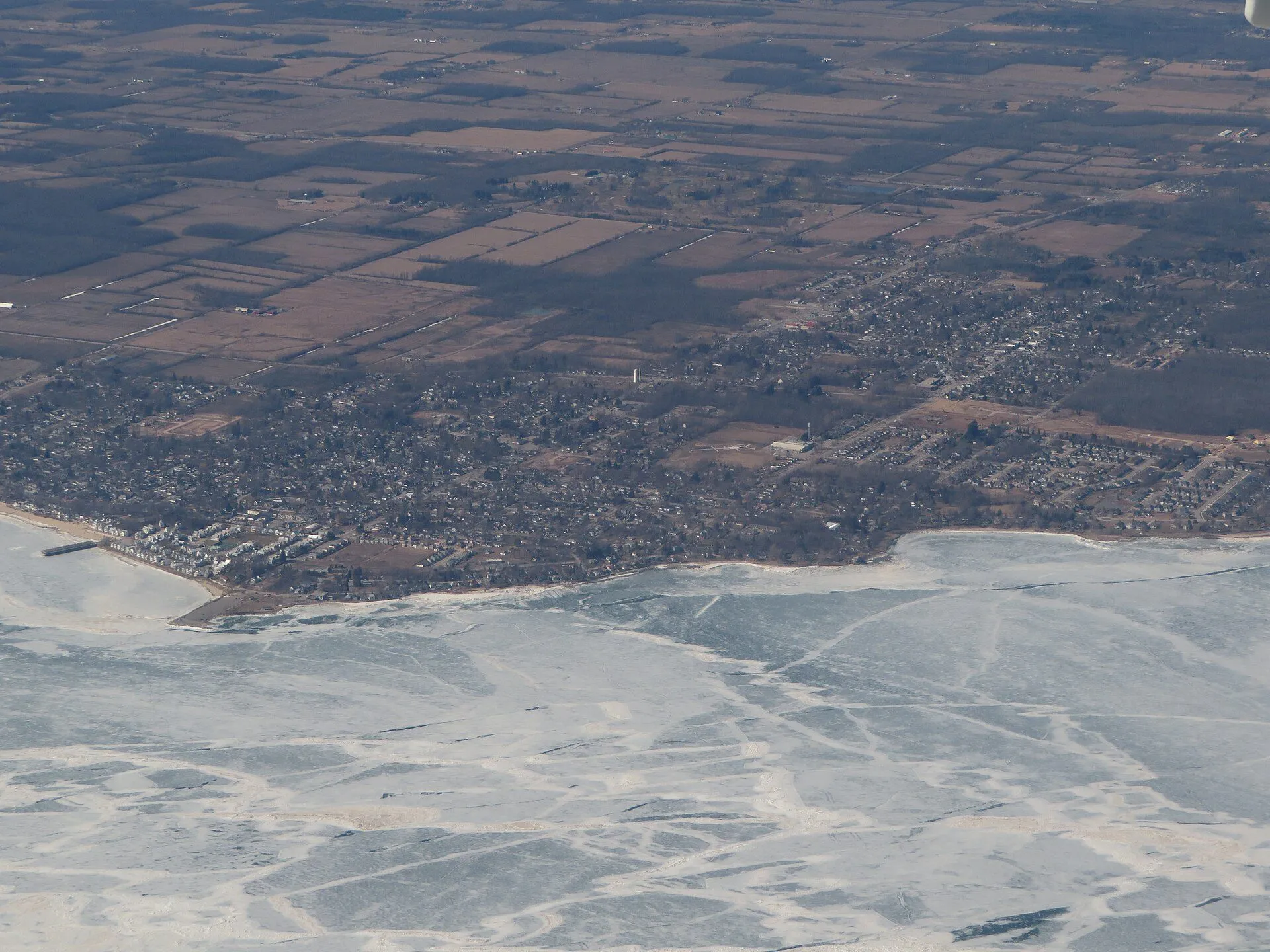
Most of the park is now the Crystal Beach Tennis & Yacht Club, a gated residential community built in 1992. In May 2026, blogTO described the old pier as close to the only physical trace of the park left on the shoreline.
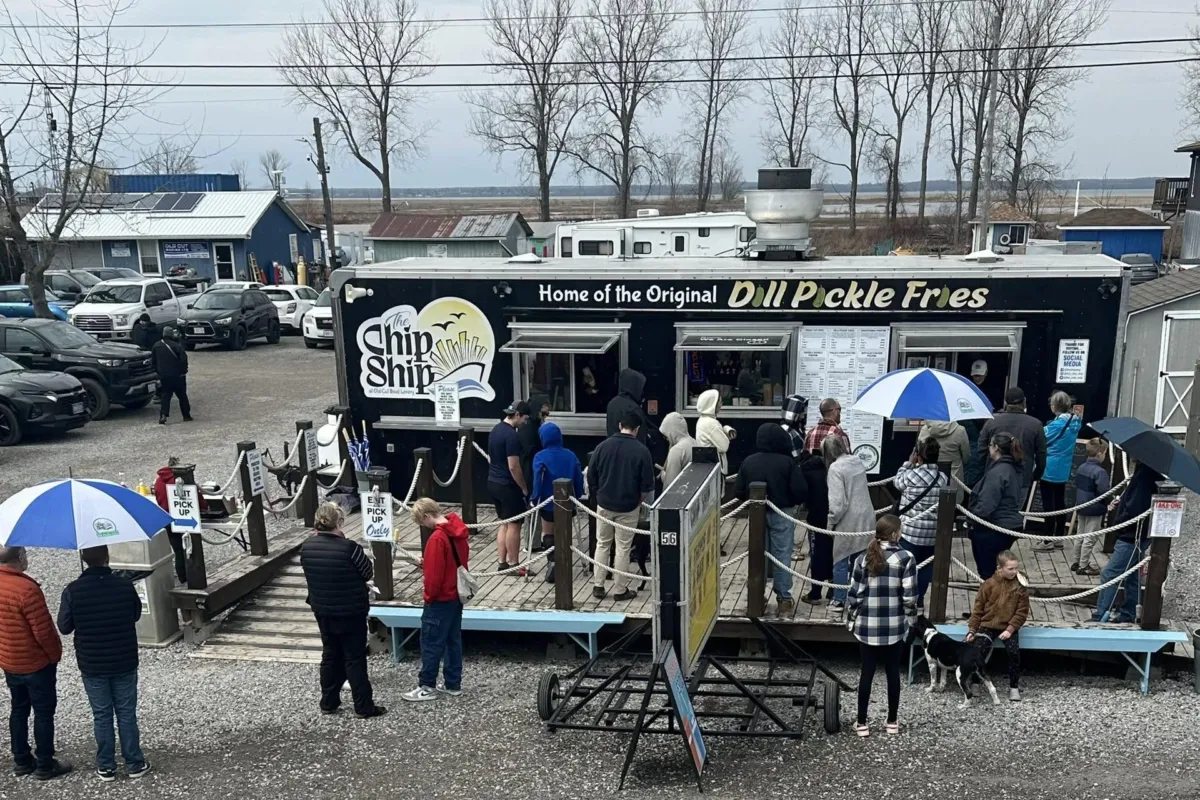
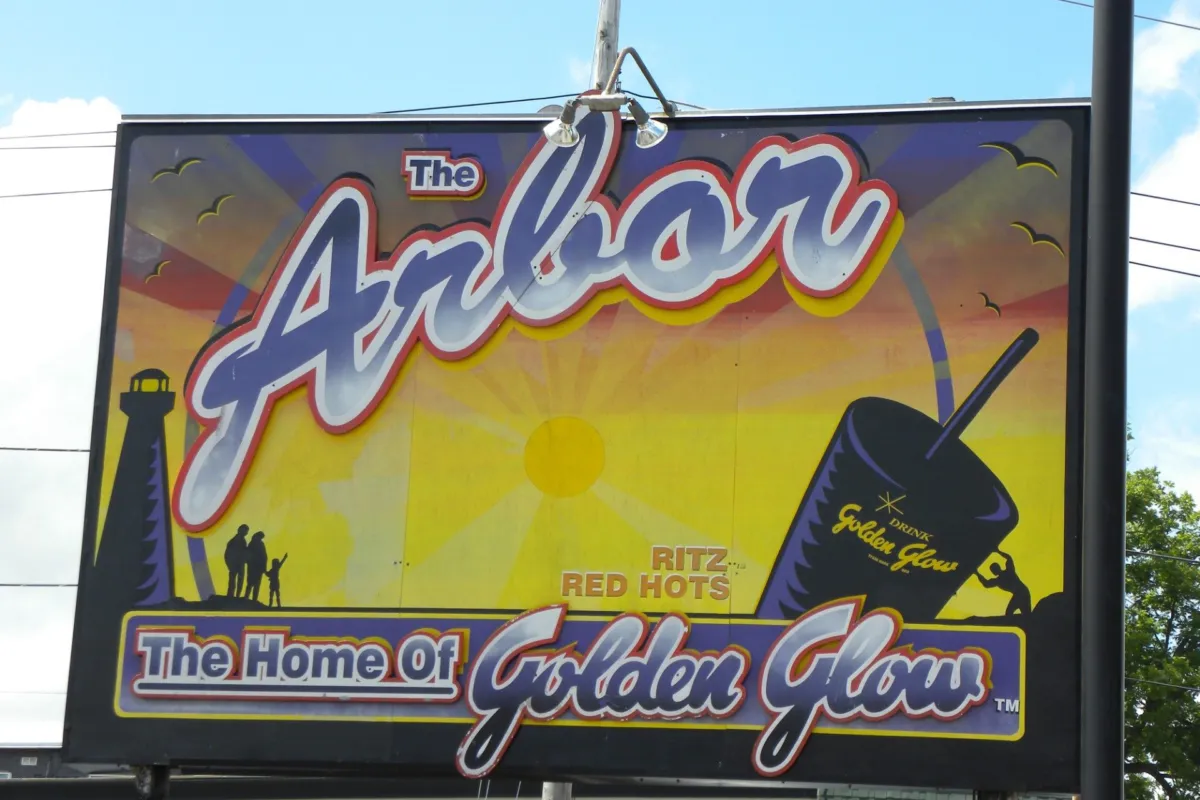
The village itself is still there. Crystal Beach was incorporated in 1921 and became part of the Town of Fort Erie in 1970. In the community, the town runs Bay Beach, a public beach that opens each Victoria Day weekend. The Globe and Mail has written about a revival in the village, including the 1907 Hotel Philco, now a mix of hotel rooms, shops and apartments, and new municipal investment around the beach. The sand that gave Crystal Beach its name still brings people in.
Quick facts
- Founded: 1888, as a religious camp by John E. Rebstock; amusement park from 1890
- Location: Crystal Beach, now part of the Town of Fort Erie
- The boat: The Canadiana ran from Buffalo from 1910 until 1956
- Signature ride: The Comet, opened 1948; rebuilt at The Great Escape in New York in 1994
- Owners: The Hall family, from 1924 to the end
- Closed: Labour Day 1989
- Today: A gated community and the old pier; the town runs Bay Beach in the village